Comparing every teeth whitening method side by side changes the calculus fast: in-office professional whitening still wins for speed, but the right choice depends on your budget, your sensitivity level, and how long you want results to last in 2026.
- In-office professional whitening is the fastest of the best teeth whitening methods, often lightening teeth several shades in one visit.
- Custom take-home trays from a dentist balance strong results with lower sensitivity risk over 2026.
- OTC whitening strips are the budget pick but work slower and unevenly on crowns or veneers.
- Charcoal and natural remedies carry real enamel-wear risk and belong at the bottom of any ranked list.
- Whitening toothpaste only maintains a shade you've already reached — it can't whiten on its own.
Why this matters
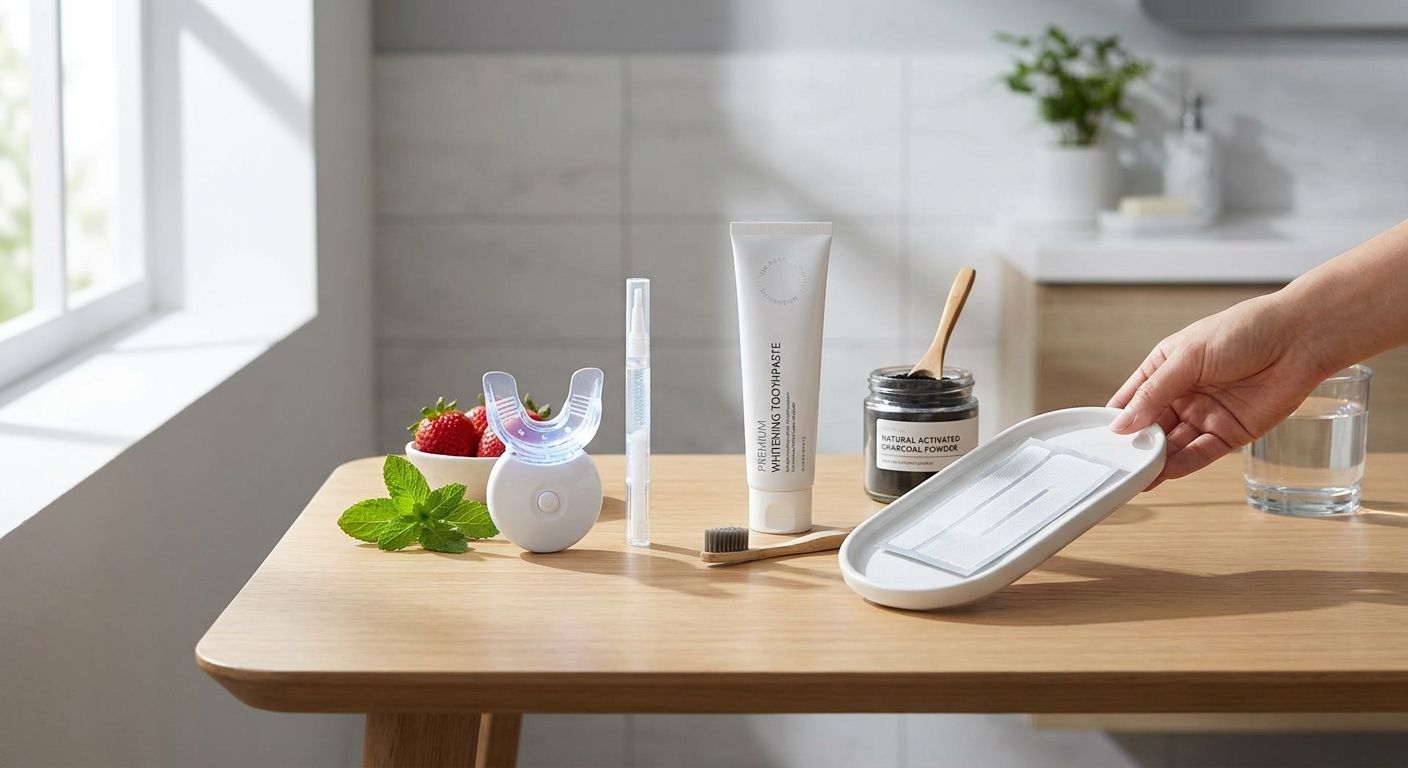
Most people trying to pick between whitening options are comparing apples to gel pens. In-office treatment, take-home trays, drugstore strips, whitening toothpaste, and charcoal powders all use different active ingredients, different contact times, and produce wildly different results.
Getting this wrong costs you either money on something too weak to notice, or enamel damage from something too aggressive. Lone Mountain Dental sees both outcomes walk through the door — patients who bleached at home for months with no change, and patients who over-whitened with off-brand kits and showed up with sensitive, translucent-edged teeth.
The ranking below sorts every common method by what it's actually good for, not by which one is trendiest in 2026.
What makes the best teeth whitening method
- Speed of visible results — hours versus weeks matters if you have an event coming up.
- Sensitivity risk — higher peroxide concentrations whiten faster but irritate nerves more.
- Even coverage — trays and in-office trays cover the whole arch; strips often miss back teeth.
- Compatibility with existing dental work — whitening doesn't change the color of crowns, veneers, or bonding.
- Longevity of results — some methods hold for a year or more, others fade in weeks.
- Professional oversight — a dentist can catch cavities or gum issues before they turn into whitening-gel pain.
Teeth whitening methods at a glance
| Method | Best for | Standout feature | Key limitation |
|---|---|---|---|
| In-office professional whitening | Fast, dramatic results before an event | Several shades lighter in a single visit | Requires a scheduled dental appointment |
| Custom take-home trays | Sensitive teeth needing gradual whitening | Dentist-fitted trays with controlled gel strength | Takes 1-2 weeks of nightly wear to see full results |
| OTC whitening strips | Budget-conscious touch-ups | No appointment needed, use at home | Uneven coverage on back teeth and gum line |
| Whitening toothpaste | Maintenance between treatments | Removes surface stains with regular brushing | Can't change the natural shade of your teeth |
| Charcoal and natural remedies | Best avoided in 2026 | Marketed as "natural" and abrasive-based | Wears down enamel with repeated use |
1. In-office professional whitening: best for fast, dramatic results
A dentist applies a high-concentration peroxide gel directly to your teeth and often activates it with a light, protecting your gums throughout. It's the only method on this list that reliably delivers a multi-shade change in one appointment, which is why it's the go-to before weddings, reunions, or photo shoots.
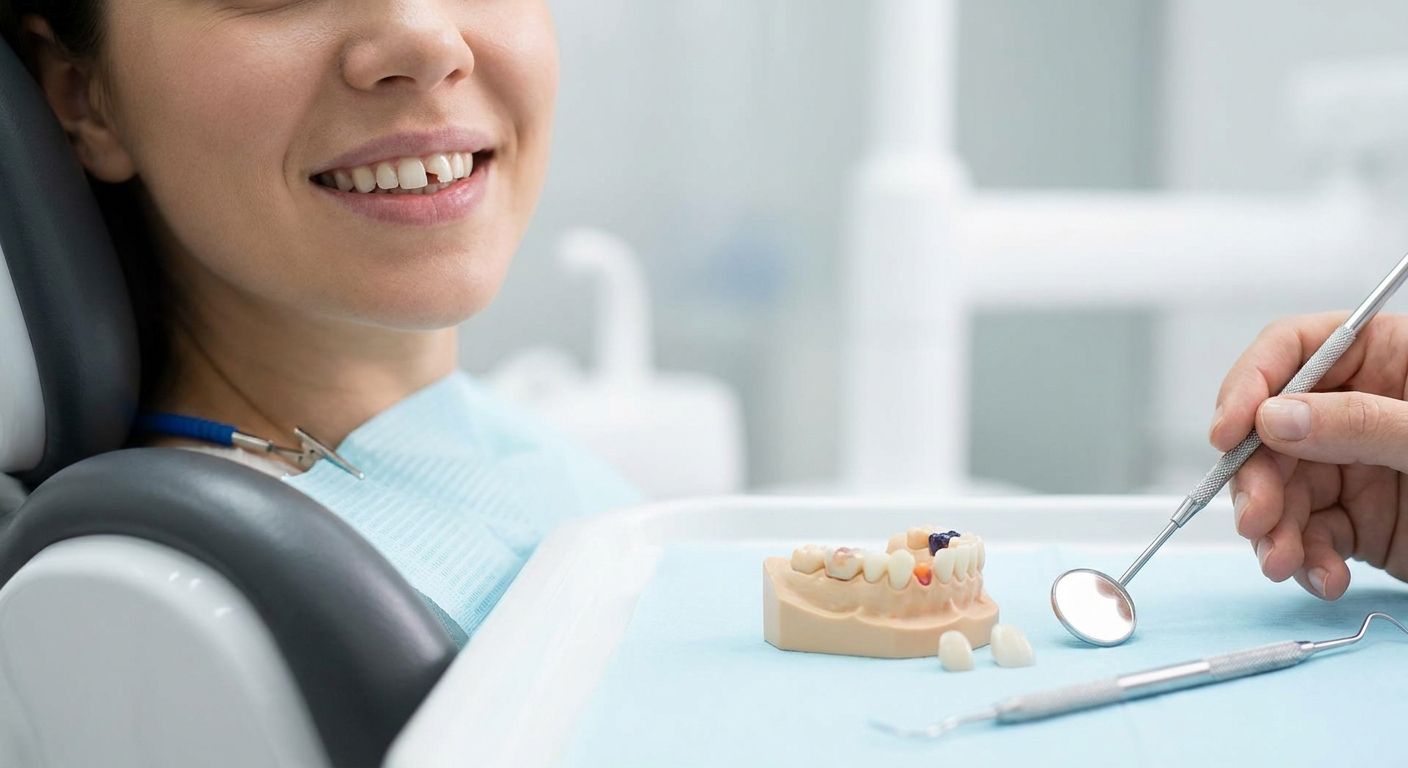
Because a dentist supervises the whole process, they can also spot decay, worn enamel, or existing restorations that would react poorly to bleach before starting.
In-office whitening pros:
- Fastest visible change of any method compared here
- Gum protection applied by a professional reduces chemical burn risk
- Concentration is adjusted to your enamel and sensitivity in real time
In-office whitening cons:
- Costs more upfront than strips or toothpaste
- Some patients report short-term sensitivity for 24-48 hours after treatment
- Requires booking and sitting for a dental appointment
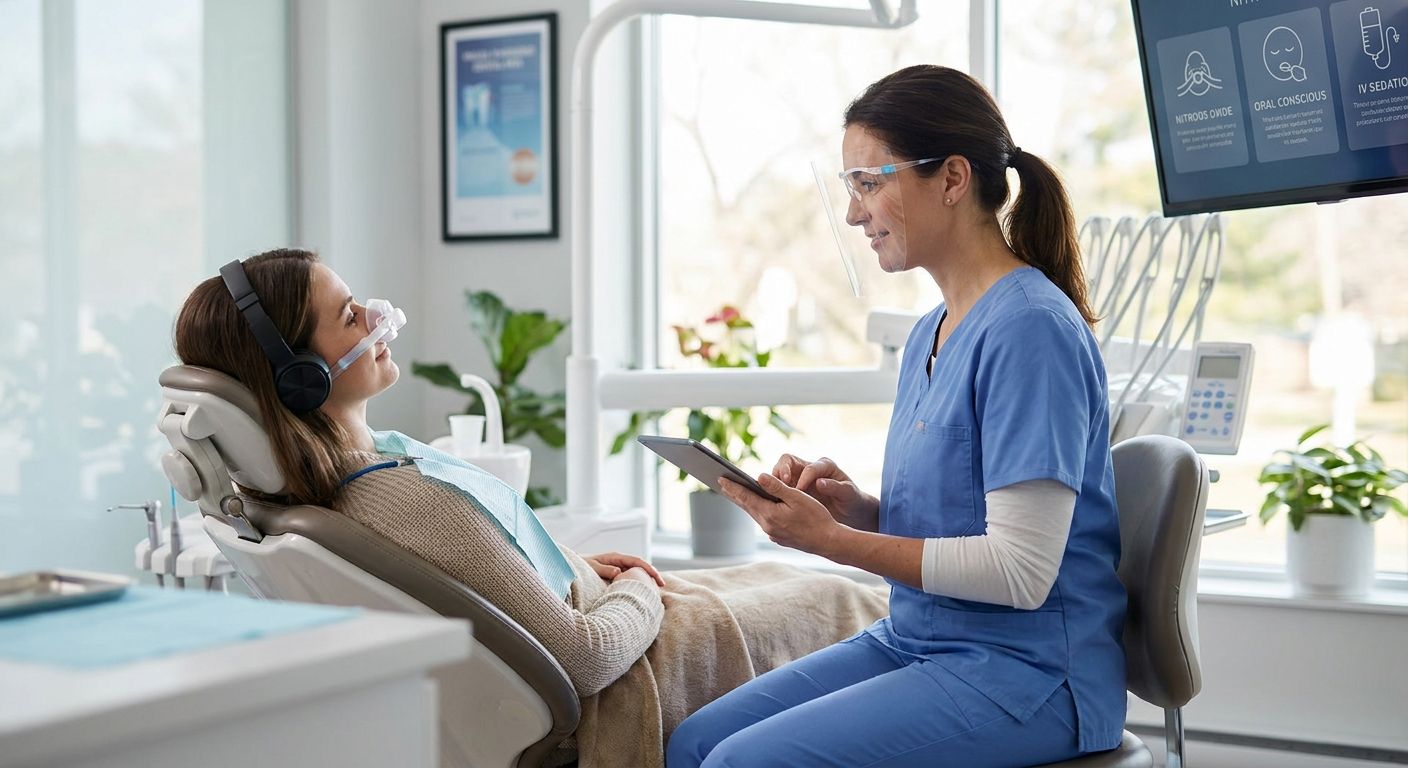
For anyone nervous about time in the chair, sedation dentistry options for anxious patients make an in-office whitening visit far more manageable.
Best for: patients who want a dramatic, same-day change and want a dentist checking their teeth along the way. Verdict: Buy.
2. Custom take-home trays: best for sensitive teeth needing gradual whitening
A dentist takes an impression of your teeth and makes trays that fit your mouth exactly, then sends you home with a professional-strength gel to use nightly. The lower, dentist-controlled concentration whitens more slowly than an in-office visit but with far less sensitivity than store-bought kits at similar strength.
Most patients see their full result in one to two weeks of consistent use, and touch-up gel later keeps the shade holding into 2027 and beyond.
Custom trays pros:
- Even coverage across every tooth, not just the front six
- Lower sensitivity risk because the dentist controls gel strength
- Reusable trays make future touch-ups simple
Custom trays cons:
- Slower results than a single in-office session
- Requires nightly discipline for a week or two
- Still needs a dental visit to get properly fitted
Best for: anyone with sensitive teeth who wants professional-grade whitening without an in-office appointment every time. Verdict: Buy.
3. OTC whitening strips: best for budget-conscious touch-ups
Drugstore strips coat your front teeth in a thin peroxide gel layer that you wear for a set time each day. They're the most accessible of the best teeth whitening methods because there's no appointment and no dental work required — you just buy a box.
The tradeoff is coverage. Strips are shaped for front teeth, so canines, back teeth, and the gum line often get missed entirely, leading to a patchy result.
Whitening strips pros:
- No appointment or prescription needed
- Widely available and easy to start using the same day
- Fine for light maintenance between bigger treatments
Whitening strips cons:
- Uneven coverage, especially on molars and gum lines
- Weaker concentration means slower, subtler change
- Won't touch stains on crowns, veneers, or bonded teeth
Best for: people who want a low-commitment refresh and aren't chasing a dramatic shade change. Verdict: Hold — fine as a supplement, not a standalone plan for real discoloration.
4. Whitening toothpaste: best for maintenance between treatments
Whitening toothpaste works through mild abrasives and sometimes a small amount of peroxide to lift surface stains from coffee, wine, or tobacco. It does not change the underlying color of your enamel or dentin — it just keeps stains from building back up after a whitening treatment.
This makes it a maintenance tool, not a whitening method on its own, and treating it as anything more usually leads to disappointment.
Whitening toothpaste pros:
- Zero extra cost beyond a normal toothpaste swap
- Helps whitening results from other methods last longer
- No sensitivity risk beyond what regular brushing carries
Whitening toothpaste cons:
- Cannot whiten teeth beyond their natural shade
- Overly abrasive formulas can wear enamel with daily long-term use
- Results are cosmetic surface polish only, not chemical bleaching
Best for: anyone maintaining results after in-office whitening or trays, not starting from scratch. Verdict: Hold — pair it with a real whitening method, don't rely on it alone.
5. Charcoal and natural remedies: best avoided in 2026
Activated charcoal powders, baking soda pastes, and DIY lemon or vinegar rinses get marketed as "natural" whitening. They work almost entirely through abrasion or acid erosion, not through actual bleaching chemistry, and enamel does not regenerate once it's worn away.
Repeated use of acidic or highly abrasive DIY methods can leave teeth looking more yellow over time, because thinner enamel exposes the naturally yellower dentin layer underneath.
Charcoal and natural remedies pros:
- Low cost and easy to find
- No appointment or professional product needed
Charcoal and natural remedies cons:
- Abrasive action wears enamel permanently, with no way to reverse it
- Acidic rinses can increase sensitivity and cavity risk
- No real whitening chemistry behind the marketing
Best for: nobody, honestly — this is the one method on the list worth skipping outright in 2026. Verdict: Skip.
"If a whitening product stings for more than a few minutes or leaves teeth feeling rough afterward, stop using it — that's enamel damage talking, not a normal reaction."
“If a whitening product stings for more than a few minutes or leaves teeth feeling rough afterward, stop using it — that's enamel damage talking, not a normal reaction.”
How this ranking was built
Each method above is scored against the same six criteria: speed, sensitivity risk, coverage, compatibility with existing dental work, longevity, and whether a professional is involved. In-office whitening and custom trays lead because they check every box except instant no-appointment convenience — strips and toothpaste trade some results for that convenience, and charcoal fails on safety alone.
Get a real whitening consultation
Find out which method fits your teeth before you spend on the wrong one.
Which teeth whitening method should you choose?
If you want the fastest, most dramatic change and don't mind booking an appointment, in-office professional whitening is the default pick for 2026. If your teeth are sensitive or you'd rather whiten on your own schedule, custom take-home trays get nearly the same result with less discomfort. Strips and whitening toothpaste are fine supporting players, but skip charcoal and DIY acid rinses entirely — the enamel damage they cause doesn't reverse.
FAQ
What is the best teeth whitening method in 2026?
In-office professional whitening is the best teeth whitening method for speed, often lightening teeth several shades in a single visit. Custom take-home trays from a dentist are the best runner-up for sensitive teeth.
Is professional teeth whitening better than strips?
Yes, professional whitening covers every tooth evenly and uses a stronger, dentist-monitored gel, while strips only reach front teeth and use weaker concentrations. Strips work for light touch-ups, not major discoloration.
Does charcoal actually whiten teeth?
No, charcoal whitens through abrasion, not bleaching chemistry, and it wears down enamel permanently with repeated use. Worn enamel exposes the yellower dentin layer underneath, which can make teeth look darker over time.
How long do teeth whitening results last?
In-office whitening and custom trays typically hold their shade for a year or more with occasional touch-ups, while strips fade faster because the whitening layer is thinner. Whitening toothpaste maintains a shade rather than creating one.
Can whitening toothpaste replace professional whitening?
No, whitening toothpaste only removes surface stains through mild abrasion and cannot change your natural tooth shade. It works best as maintenance after a real whitening treatment, not as a standalone method.
Is teeth whitening safe for sensitive teeth?
Custom take-home trays are the safer option for sensitive teeth because a dentist controls the gel concentration precisely. Over-the-counter strips and DIY charcoal methods carry higher sensitivity and enamel-wear risk.
Will whitening work on crowns or veneers?
No, whitening methods only affect natural tooth enamel and will not change the color of crowns, veneers, or bonded teeth. This is worth discussing with a dentist before starting any whitening plan if you have existing dental work.
How often should you whiten your teeth?
Most patients touch up in-office or tray whitening once every 6-12 months, depending on diet and habits like coffee or tobacco use. Daily whitening toothpaste use in between helps stretch that timeline further.
One last thing
Enamel does not regenerate once it's worn down — that single fact is why the "natural" charcoal trend keeps losing to boring, dentist-supervised methods in every real comparison. The best teeth whitening methods for 2026 are still the ones a professional controls, not the ones that trend on social feeds.